
Every one ran inside a live, operating health system rather than a demo environment. That was the whole premise: prove it works where it will actually be used, with the people who will actually use it. A handful of the projects that made it into public view are below.
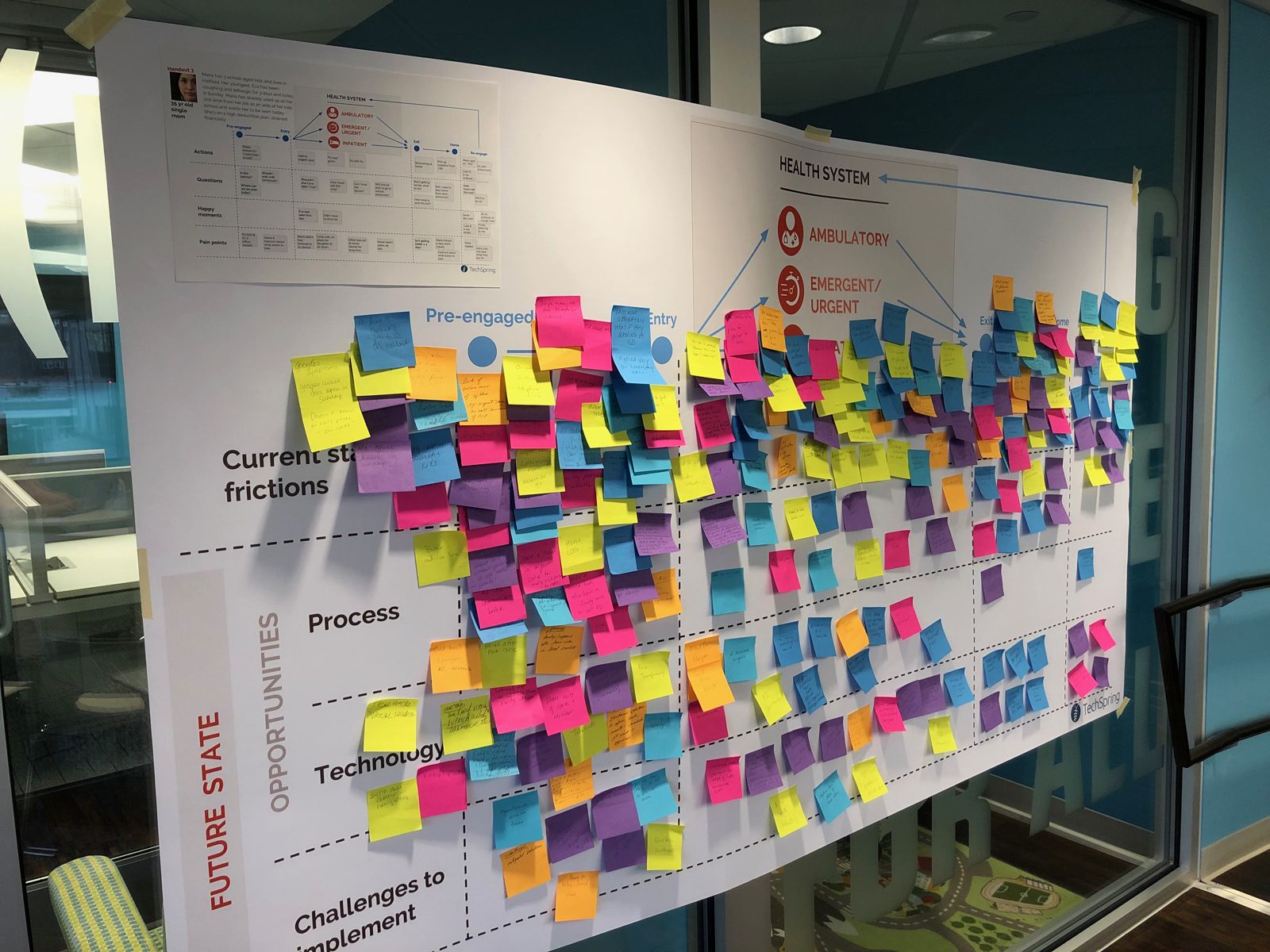
Two things ran side by side. Around every project sat the same governance path, step by step, from a problem someone at Baystate cared about to a clean handoff at the end. That discipline is what let a hospital say yes to outside innovators without putting patients, data or operations at risk. Inside it, the project work itself was different: always human first, and often agile and iterative.
Does it match a problem Baystate is passionate about? A short project summary goes to the Innovation Impact Committee for review.
Partner and business associate agreements, a statement of work, a draft charter, a first security triage and a compliance risk review.
The charter is finalized. Formal security review, plus IRB and research review or waiver where the work calls for it.
The project work itself. Always human first, starting with the experience of the people involved, and often agile and iterative. Value is captured as it happens: stories, quotes and financial impact.
An exit summary with the value analysis, a closing meeting, a transition plan to Baystate IT, a communication plan, and access shut off.
Eleven of seventy-two. Most of the work never got a press release: internal projects, workflow redesigns, pilots that taught us something and stopped, and the steady Living Lab engagements that filled the years between the headlines. If you worked on one, tell that story and it will have a card here too.
A two-arm program covering a low-risk midwifery practice and a high-risk hypertensive population, using remote blood pressure monitoring through pregnancy and after birth. Funded by an FCC CARES Act grant and the Amelia Peabody Foundation's first healthcare IT investment, and live in about six weeks under pandemic pressure.
An integrated platform pairing data management with predictive AI, tested here before wider deployment to health systems nationally. The value of a proving ground is that someone finds the problems before a hospital bets on the answer.
A FHIR-based charge capture app built into Cerner workflows rather than bolted alongside them, so clinicians could complete the task without leaving the screen they were already working in. A small change in the right place, which is usually where the value is.
A startup's virtual nutrition service, tested with oncology patients inside a working health system. Exactly the kind of real-world proving ground the sandbox program was built to provide.
A remote monitoring pilot for Baystate asthma patients, testing whether a young company's platform could help care teams see trouble coming between visits.
A design audit, usability testing and user interviews for Health Together of Williamsburg, Massachusetts. The human-centered side of the method, offered to a startup that needed it.
A development environment for working on the unglamorous, essential problem of getting healthcare systems to talk to each other.
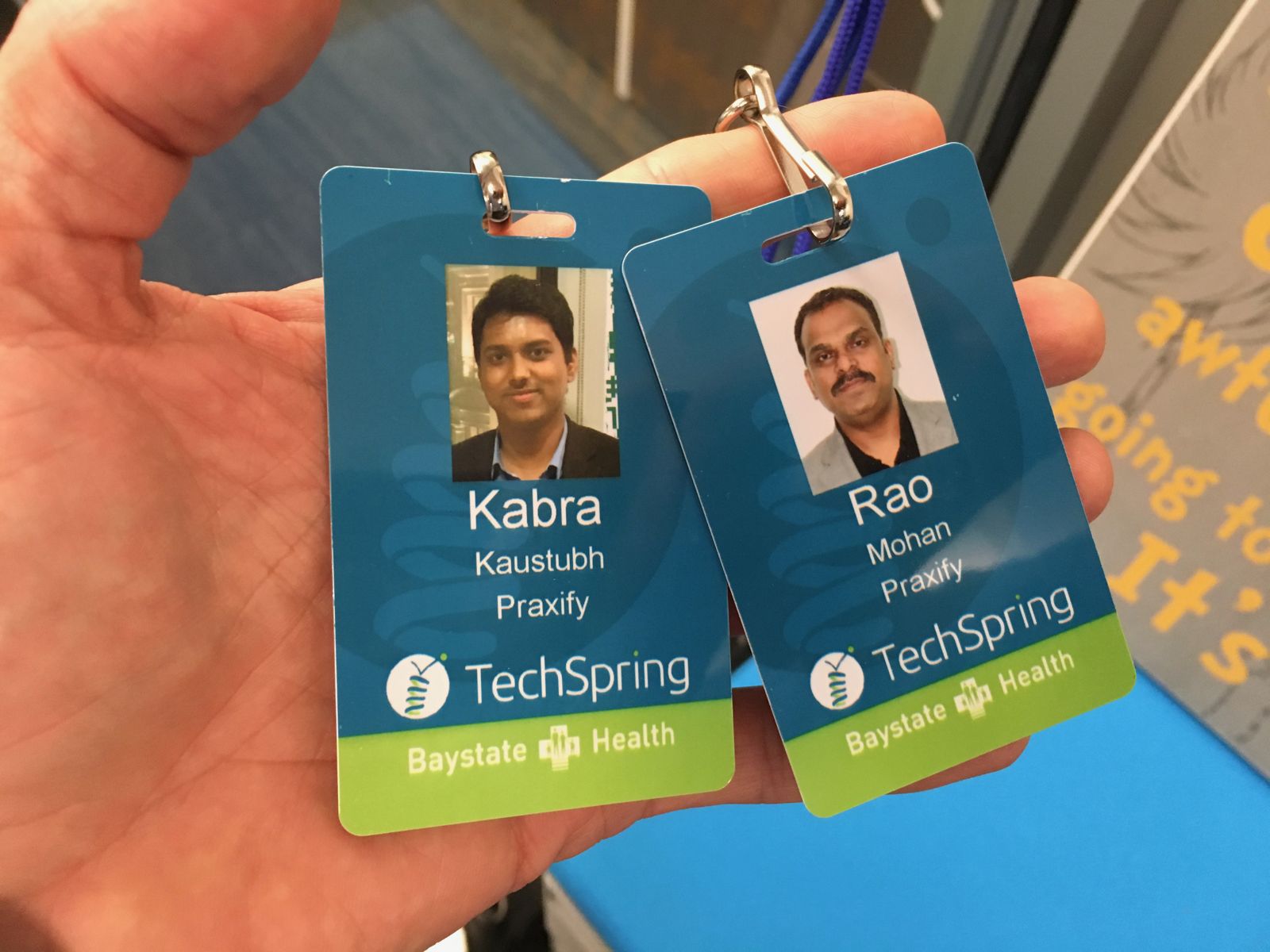
A physician mobile app built by rounding with doctors and listening first. Physicians tested early prototypes and worked directly with the developers, and the team kept improving it long after launch. About 70% of Baystate physicians chose to use it. Praxify was later acquired by athenahealth and became the athenaOne mobile app.
Data analytics to identify patients at rising risk of a serious medical event, so care teams could step in before it happened. An early test of what predictive analytics could do inside a real health system, well before it became standard vocabulary.
Video: Chris Landry.
An early partnership, testing what telehealth could do for patient care years before the pandemic made it ordinary.
Video: Chris Landry.
A collaborative care platform piloted in a live clinical environment, testing how well it actually fitted the way care teams work rather than how well it demonstrated.